
The Fragile Ceasefire and Civilian Hardships in Gaza
The issue of Gaza civilian protection remains at the heart of ongoing international debates as the fragile ceasefire since October 2025 continues to hold. Despite global efforts, global powers struggle to consistently enforce international law to safeguard civilians in Gaza. The destruction of infrastructure, displacement of nearly two million people, and limited access to essential resources highlight the urgent need to prioritize protecting innocent lives amid political stalemates.
Gaza’s infrastructure lies in ruins, with densely populated areas devastated by previous hostilities. Hospitals and shelters operate at limited capacity, while nearly the entire population—over 1.9 million people—remain displaced. Many live in makeshift tents, vulnerable to harsh winter conditions, including flooding and deaths from hypothermia.
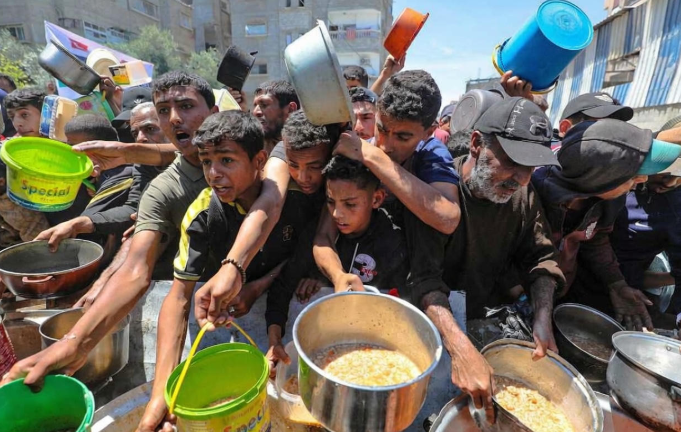
Since a US-brokered ceasefire took effect on October 10, 2025, most major combat has halted. Yet Israeli forces continue strikes and operations resulting in hundreds of Palestinian deaths—approximately 360 to 405 since the truce, according to Gaza authorities and human rights groups. Though these strikes target suspected militants, they have caused significant civilian casualties. Hamas has also committed lesser ceasefire violations. Families face repeated displacement risks, while access to food, water, fuel, and medical care remains severely constrained despite increased aid.
Challenges to Gaza Civilian Protection Under International Law
International humanitarian law clearly mandates protecting civilians during armed conflict. However, the scale of ongoing suffering and restrictions raises serious doubts about the full enforcement of these protections—even amid a truce.
Institutions like the United Nations exist to prevent humanitarian disasters through international conventions and resolutions. Yet enforcement depends heavily on political consensus.
In November 2025, the UN Security Council adopted Resolution 2803, endorsing a US-led peace plan that authorized a transitional “Board of Peace” and paved the way for an International Stabilization Force tasked with demilitarization, security, and reconstruction. However, influential states continue to shape outcomes through political alignments, stalling progress. Phase 1—covering hostage and prisoner exchanges and partial withdrawal—is incomplete, with disputes over remaining hostages and alleged violations blocking advancement to Phase 2, which involves full withdrawal and disarmament.
Political Stalemates and the Role of Global Powers
The inconsistent application of international law undermines trust in the international system. When accountability depends on geopolitical alliances, the credibility of global institutions suffers.
This perception—that some lives receive greater protection than others—fuels global frustration and resentment. Worse, it encourages impunity as actors calculate that powerful allies will shield them from consequences.
The Impact of Selective Enforcement on Humanitarian Trust
Each delay in advancing the peace plan or addressing violations extracts a heavy toll in lives and dignity. Prolonged restrictions have normalized hardship in Gaza, with winter storms worsening vulnerabilities—causing flooding, structural collapses, and health crises.
While famine risks have receded thanks to improved aid since the ceasefire, over 75% of Gazans still face acute food insecurity and malnutrition, according to UN-backed assessments.
Urgent Need for Consistent Accountability and Action
The crisis in Gaza tests whether the international community truly upholds civilian protections universally—regardless of nationality, religion, or geopolitics.
For international law to retain legitimacy, states must apply it consistently and impartially, even when politically inconvenient. The ongoing International Court of Justice case (South Africa v. Israel) and related interventions underscore the urgent need for accountability.
Looking Ahead: Restoring Credibility to International Law
Selective silence may offer short-term diplomatic calm, but it undermines ethical standards and sustainable peace. Gaza’s future—and the credibility of global humanitarian law—will be judged not by words of concern, but by actions that ensure meaningful protection and justice for civilians.